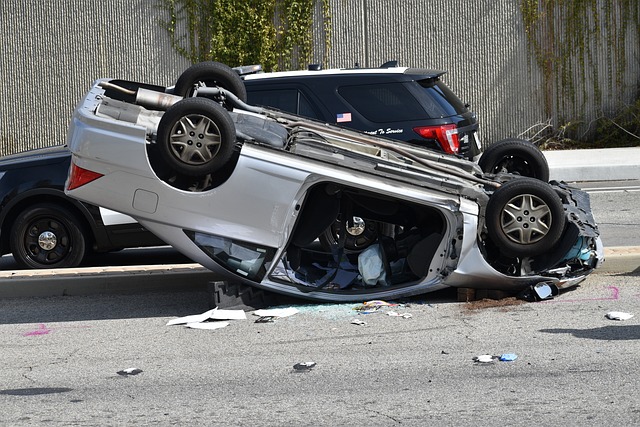
Rideshare services, while transformative in transportation, pose complex safety challenges for Queens Brain Damage Attorneys, who navigate intricate liability issues in accidents. These cases often involve severe head injuries and brain damage due to driver distraction or company negligence. Liability determination hinges on factors like driver fatigue, maintenance, and compliance with safety protocols. Successful legal claims compensate victims and drive industry-wide safety enhancements, emphasizing the crucial role of Queens Brain Damage Attorneys in protecting passenger rights and securing justice.
In today’s digital age, ridesharing services have become a ubiquitous part of urban life. However, alongside convenience comes a growing concern for safety. This article delves into the complex legal landscape surrounding rideshare safety litigation in Queens, exploring key issues from understanding safety concerns to navigating liability and protecting passenger rights. As a Queens brain damage attorney, we present case studies demonstrating successful legal strategies in this evolving field.
- Understanding Rideshare Safety Concerns: A Legal Perspective
- Common Causes of Rideshare Accidents and Injuries
- The Role of Liability in Rideshare Safety Litigation
- Protecting Passengers' Rights: What You Need to Know
- Navigating the Legal Process as a Queens Brain Damage Attorney
- Case Studies: Successful Rideshare Safety Litigation Examples
Understanding Rideshare Safety Concerns: A Legal Perspective

Rideshare services have revolutionized transportation, but they also bring unique safety challenges that often lead to litigation. From driver fatigue and distractions to issues with vehicle maintenance and passenger protection, these concerns are a legal grey area for Queens Brain Damage Attorney and their clients alike. Understanding these risks is crucial in order to navigate the complex landscape of rideshare liability.
When accidents occur, determining responsibility can be intricate. Legal experts must consider factors like driver oversight, company policies, and regulatory compliance. For instance, if a rideshare driver causes an accident due to exhaustion from long hours or negligence in following safety protocols, both the driver and the rideshare company may face legal repercussions. This highlights the need for robust safety measures and clear liability frameworks to protect passengers and ensure justice.
Common Causes of Rideshare Accidents and Injuries

Rideshare accidents can result from a variety of factors, leading to significant injuries for passengers and bystanders alike. Common causes include driver distraction, speeding, failure to yield, and improper lane changes—all of which are often exacerbated by the pressure to complete trips quickly in a competitive market. These issues can be further compounded by inadequate training or enforcement of safety protocols on the part of rideshare companies.
In Queens, brain damage attorneys have seen an increase in cases involving severe head injuries due to vehicle collisions. Such accidents may occur when drivers are texting, using navigation apps, or simply not paying full attention to the road. Passengers who suffer traumatic brain injuries (TBIs) can face long-term cognitive and physical challenges, requiring extensive medical care and rehabilitation. It’s crucial for rideshare companies to prioritize safety measures and for passengers to be aware of their rights when seeking compensation for accident-related injuries, including potential legal actions against negligent drivers or corporations.
The Role of Liability in Rideshare Safety Litigation

In rideshare safety litigation, liability plays a pivotal role in determining accountability and compensation for victims of accidents involving ride-hailing services. When a passenger suffers injuries due to a driver’s negligence or the company’s failure to maintain safe practices, establishing liability is essential. A Queens Brain Damage Attorney, well-versed in these cases, would argue that responsibility can fall on various parties, including the rideshare company, the individual driver, or both.
The complexity arises from the contractual relationship between passengers, drivers, and the ride-sharing platform. While passengers trust the company to provide safe transportation, drivers are independent contractors. Proving liability often requires examining factors such as driver training, background checks, response to safety concerns, and the overall oversight of the rideshare company. A successful legal claim in these cases not only ensures compensation for victims but also prompts improved safety measures within the industry.
Protecting Passengers' Rights: What You Need to Know

Protecting passengers’ rights is a crucial aspect of rideshare safety litigation. When you step into a rideshare vehicle, you expect to arrive at your destination safely and securely. However, accidents can happen, and it’s essential to know your rights as a passenger. If you’ve suffered injuries due to a rideshare accident, consulting with a qualified Queens Brain Damage Attorney is a vital step towards justice and compensation. They can help navigate the legal complexities and ensure that your rights are protected throughout the process.
Understanding your legal options empowers you to take action if necessary. Rideshare companies have legal obligations to maintain safe vehicles and employ responsible drivers. If these duties are breached, leading to an accident or personal injury, passengers may be entitled to seek damages for their losses. This can include medical expenses, pain and suffering, and even loss of wages. By reaching out to a legal expert, you gain access to knowledge and representation that can make all the difference in your pursuit for accountability and fair compensation.
Navigating the Legal Process as a Queens Brain Damage Attorney

Navigating the legal process as a Queens Brain Damage Attorney involves understanding complex laws and regulations, as well as the unique challenges that come with representing clients in rideshare safety litigation. Each case demands meticulous attention to detail, from gathering evidence such as police reports, medical records, and witness statements, to constructing a compelling argument that holds rideshare companies accountable for their negligence.
As a Queens Brain Damage Attorney, it’s crucial to stay abreast of changing legal precedents and industry standards. This includes keeping up with regulations governing vehicle safety features, driver training protocols, and company policies on reporting and responding to accidents. By leveraging expertise in brain injury law and deep knowledge of local legal frameworks, attorneys can ensure their clients receive fair compensation for their injuries and hold responsible parties accountable for their actions.
Case Studies: Successful Rideshare Safety Litigation Examples

In recent years, rideshare safety litigation has gained significant traction as victims seek justice and accountability for their injuries. Case studies of successful lawsuits highlight critical issues and set precedents for future claims. For instance, a prominent example involves a Queens Brain Damage Attorney representing a client who sustained severe brain damage in a car accident caused by a negligent rideshare driver. Through meticulous investigation and legal strategy, the attorney secured a substantial settlement, demonstrating the potential for riders to hold companies responsible for their drivers’ actions.
Another compelling case centers on a passenger who suffered severe injuries due to a rideshare vehicle’s defective safety features. The lawsuit against the company and its manufacturers resulted in a significant verdict, underscoring the importance of safety standards and product liability in the rideshare industry. These successful litigation outcomes not only provide financial compensation for victims but also serve as powerful deterrents, encouraging companies to enhance their safety protocols and driver training programs.
Rideshare safety litigation is a complex landscape, with legal nuances that protect passengers’ rights and ensure accountability. As outlined in this article, understanding the common causes of accidents and injuries, along with the role of liability, is crucial for navigating these cases. If you’ve experienced harm while riding in a rideshare vehicle, a Queens Brain Damage Attorney can guide you through the legal process, ensuring your rights are protected and just compensation is sought. Case studies demonstrate that successful litigation not only holds rideshare companies accountable but also fosters improvement in safety measures, ultimately enhancing passenger protection.